

Older homes offer antique charm, but they also come with concerns like lead paint. Lead paint requires careful consideration when repainting or renovating. At Sundeleaf Painting, we offer residential and commercial painting services near you in Portland, Oregon. We also have expertise in lead paint encapsulation and replacement. Here, we explore lead paint safety tips to keep in mind when you’re preparing for a painting project.
Key Takeaways
- Lead-based paint is common in older homes built before the ban in 1978. Although it’s relatively safe when intact, it poses safety threats when disturbed.
- Testing for lead paint should be done when you’re buying or renting an older home, you’re planning to renovate, the paint is chipping or peeling, or you have young children or are pregnant.
- Safe prep practices for older homes include encapsulation, dust control, application of protective coatings, and careful cleanup.
- Sundeleaf Painting has vast experience handling interior and exterior painting jobs in older homes, including those with lead paint.
Why Is Lead Paint a Common Concern in Older Homes?
Lead-based paint was commonly used to paint the interior and exterior of homes before the lead paint ban in 1978, so homes built before then are more likely to contain it. Lead paint is dangerous because it includes a toxic heavy metal that can build up in the body over time, damaging the brain, nervous system, and vital organs.
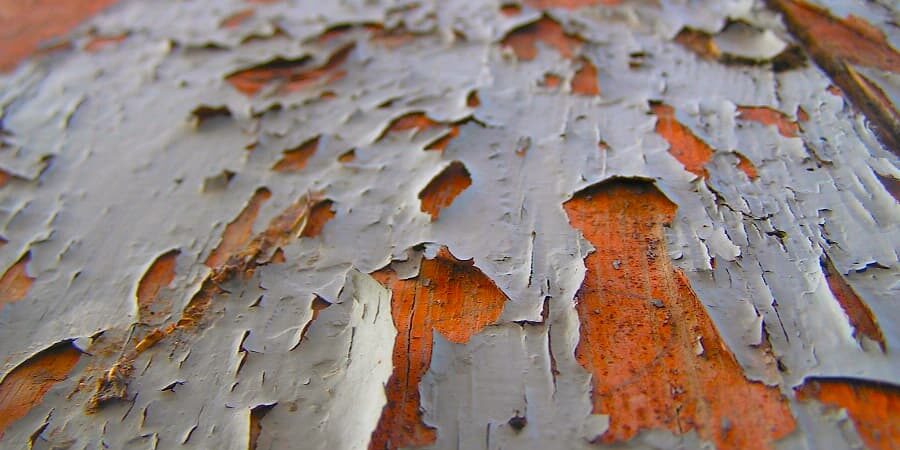
Although intact lead-based paint generally presents less risk when left undisturbed, deteriorating or disturbing it can create hazardous lead dust and chips. This causes it to break down into an invisible, toxic dust that can lead to several negative health effects. Lead paint can also pose a threat during renovations if proper containment isn’t done. Sanding, scraping, and tearing into existing lead paint releases large amounts of toxic dust into the air. Therefore, it’s crucial to either leave intact paint alone or hire a professional for safe encapsulation or removal.
What Should I Do About Possible Lead Paint?
If you have an older home and are looking to start major renovations, it’s smart to know if there is lead paint present. If you’re not positive whether lead paint is present in your home, testing is a good idea. It should be done when:
- You’re buying or renting an older home (pre-1978)
- You’re planning to remodel or renovate your home
- Your paint is chipping or peeling
- You have young children or are pregnant, as lead paint can be especially dangerous for these groups
You can hire a certified professional to do lead paint testing or use an Environmental Protection Agency (EPA)-approved test kit.
What Are Safer Surface Prep Practices for Older Homes?
If lead paint is confirmed in your home, you’ll need to follow certain safety precautions to prevent the toxic dust from entering the air. The best way to do this is to hire an experienced team like Sundeleaf Painting. We have the expertise needed to safely handle lead paint, including:
- Containing the lead paint through encapsulation, which uses a special, heavy-duty coating to bond to old paint and lock in hazards
- Controlling dust by avoiding aggressive sanding or scraping and using wet-working techniques
- Applying protective coverings like new drywall, paneling, or wallpaper over the lead paint
- Carefully cleaning up the area using wet wiping and a HEPA vacuum to capture invisible lead dust
At Sundeleaf Painting, we always follow proper lead paint practices to keep our team and customers safe.
Schedule a Consultation at Sundeleaf Painting
If you’re thinking about painting your older home in Oregon, get in touch with Sundeleaf Painting. We take special care when painting homes with lead paint, including a meticulous preparation process and safety-conscious project planning. For more insight into our work, check out our portfolio. To learn more about lead paint safety or to schedule a consultation for older home painting near you in Portland, OR, contact us today.
Frequently Asked Questions About Lead Paint Safety
What should homeowners know about lead paint before painting an older home?
Homeowners should know that lead paint is dangerous when disturbed, so if you suspect lead paint, careful handling is essential. Lead paint can be left alone if it’s intact, but it should be encapsulated, covered, or removed if it is chipping, peeling, or cracked.
How do painters prepare surfaces that may contain lead paint?
Painters prepare surfaces that may contain lead paint by using containment barriers and wet-working techniques to prevent toxic dust from spreading.
Should old paint be sanded before repainting?
If it is lead paint, you should avoid dry sanding it before painting because it creates toxic dust that poses a threat to inhabitants’ health.
What homes are most likely to have lead-based paint?
Older homes that were built before 1978 are most likely to have lead-based paint.
How do painters reduce dust exposure during painting prep?
To reduce dust exposure during painting prep, painters seal the work area with plastic sheeting, turn off HVAC vents, and use wet-sanding or HEPA-filtered tools.
What other hazards can appear during older home painting?
Other hazards that can appear during older home painting include surface mold, rot, moisture damage, and failing coatings. Our team can help you address these hazards.
Can exterior painting proceed if lead paint is present?
Yes, exterior painting can proceed if lead paint is present, although strict lead-safe work practices must be followed to contain it and reduce toxic dust and chips.
What should homeowners ask a painting contractor before hiring them?
Some questions homeowners should ask a painting contractor before hiring them include:
- What are your planned preparation methods?
- Do you have experience with lead-based paint?
- How will you contain or cover the lead-based paint?