
The Columbia River Gorge is a massive river canyon, which creates distinct local climate conditions that can affect exterior painting. If you live in the greater Portland, Oregon, area near the Gorge, exterior painting requires careful preparation and a more involved process. At Sundeleaf Painting, we provide residential and commercial painting services, including exterior painting, near you in Portland, Oregon. Here, we explore the exterior painting process for homes near the Columbia River Gorge.
Key Takeaways
- The Columbia River Gorge is an area that experiences intense microclimates, high-velocity winds, and temperature swings, so it requires a careful painting process.
- Some common paint problems in the Gorge area include peeling, blistering, fading, chalking, mildew, dirt, and wind-driven debris.
- Meticulous exterior painting preparation, including washing, cleaning, sanding, and priming, is required before painting in the Columbia River Gorge.
- Painting exterior homes in the Gorge is best when there are no high-wind alerts, the temperatures are between 50 degrees Fahrenheit and 85 degrees Fahrenheit, and the humidity is under 70 percent.
- Sundeleaf Painting has the experience and regional expertise necessary to perform exterior house painting in the Columbia River Gorge area.

Why Does the Gorge Climate Change the Exterior Painting Process?
The Columbia River Gorge is a unique formation that affects the area’s climate. The geography creates a dramatic rain shadow effect, which causes the western end to experience damp, cooler weather with heavy rainfall, while the eastern end features dry, sunny weather and high desert. Wind and temperature swings are also common.
No matter what side of the Gorge you live near, you will experience climates that can be harsh on exterior paint. Rain, wind, sun, elevation, and seasonal exposure can all cause paint to chip, peel, crack, or fade over time. Some common paint problems in the Gorge area include:
- Peeling and blistering from moisture intrusion
- Fading and chalking from UV exposure
- Mildew, dirt, wind-driven debris, and failed caulk lines
When you’re planning an exterior painting project, timing and preparation are important factors to consider. Painters have to plan around the intense microclimates and use meticulous prep techniques to create a long-lasting finish.
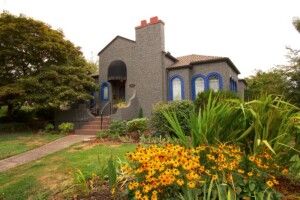
When Is the Best Time of Year to Paint a Home’s Exterior in the Gorge?
The best time of year to paint a home’s exterior in the Columbia River Gorge depends on which side the home is located near. For homes in the Western/Central Gorge area, exterior painting is best done during the driest summer weeks because heavy winter rains and persistent moisture shorten the optimal painting window.
For homes in the Eastern Gorge, exterior painting should be done in early or late summer before the temperatures get too hot. Painters monitor the area’s forecast, including wind, temperature, and humidity, to ensure that the paint will cure properly once applied and won’t get ruined by wind-driven debris.
What Exterior Painting Prep Helps Paint Last Longer in the Gorge?
Meticulous exterior painting preparation is crucial to helping exterior paint last as long as possible in the unique Gorge climate. The process includes steps like:
- Washing and cleaning exterior surfaces to remove algae and moss
- Ensuring the substrate material is dry with a moisture meter before continuing
- Scraping away loose flakes and then feather-sanding the edges
- Applying a flexible, peel-bonding primer that can withstand the Gorge’s extreme temperature shifts
- Cutting out old caulk and applying a premium acrylic urethane or elastomeric caulk to any gaps
- Repairing any wood damage before painting
Once the preparation process is complete, painting can begin when the weather is optimal: no high-wind alerts, temperatures between 50 degrees Fahrenheit and 85 degrees Fahrenheit, and humidity under 70 percent.
Schedule an Exterior Painting Consultation at Sundeleaf Painting
If you’re looking for an experienced painting contractor to handle your exterior painting project in the Columbia River Gorge area, look no further than Sundeleaf Painting. We have more than 90 years of experience in the business, and we emphasize thorough preparation in all our projects. We also have regional Portland expertise, allowing us to handle projects with complicated climates, like those in the Gorge. To request an exterior painting consultation for your Columbia River Gorge home, contact us today.
Frequently Asked Questions About Exterior Painting in the Gorge
What makes exterior painting different in the Columbia River Gorge?
The unique climate of the Columbia River Gorge, which features high-velocity wind and intense microclimates, makes exterior painting different.
How does Gorge wind affect paint durability?
The Gorge wind reduces paint durability because it causes flash-drying, uneven application, and wind-driven debris damage during the painting process, all of which decrease durability.
How dry does wood need to be before exterior painting?
Wood should have a moisture level below 12-15 percent before exterior painting.
Why is washing and prep important before painting?
Washing and prep are important before painting because they help ensure the paint adheres properly, looks smooth, and lasts for years.
How can homeowners prevent peeling, fading, and mildew?
Homeowners can help prevent peeling, fading, and mildew on their home’s exterior by properly preparing the surface before painting, performing routine maintenance, and blocking moisture intrusion.
What type of paint finish works best for exterior siding?
The best paint finish for exterior siding in the Pacific Northwest is a satin finish because it provides a smooth protective barrier that sheds driving rain and resists the area’s dust, dirt, and debris.
How often should homeowners inspect exterior paint?
Homeowners should inspect their exterior paint at least once a year, but twice a year or quarterly is even better in harsh climates like the Columbia River Gorge.
How can homeowners maintain their exterior paint between repaints?
Homeowners can maintain their exterior paint between repaints by:
- Performing annual inspections and routine cleaning
- Completing touch-ups for high-exposure areas
- Watching for exposed wood, failing caulk, or moisture staining