
Owning a historic home offers unique architectural charm, but it also requires careful consideration when performing upgrades or renovations. If you’re considering painting your home, thorough preparation is crucial. At Sundeleaf Painting, we provide historic house painting and restoration services near you in Portland, Oregon, which include meticulous pre-painting preparation. Here, we explore why historic home prep work is necessary and what it includes.
Key Takeaways
- Preparation is crucial when painting historic homes because they have more unique features to protect, and the materials are older and more fragile.
- Thorough historic home painting prep often includes steps like lead paint testing, cleaning, protecting the masonry, repairing wood and plaster, sanding, priming, and more.
- Some effects of improper preparation include peeling paint, trapped moisture, damaged wood, and uneven finishes.
- Sundeleaf Painting has provided historic house painting for Portland, OR, residents for decades, and the team prioritizes meticulous pre-painting preparation.
Historic Homes Have More to Protect
Preparation, including cleaning, priming, sanding, and more, is important before any painting project, but especially for historic homes. Historic homes often have aged substrates, older materials, and unusual features that require specialized preparation. Unlike modern homes, many historic houses have features like:
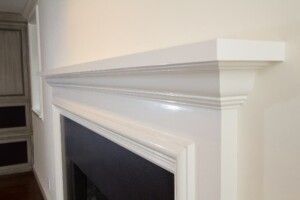
- Original trim and plaster
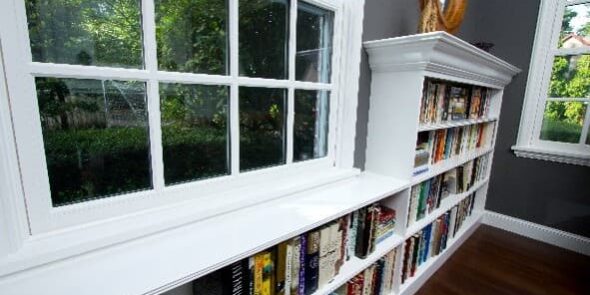
- Built-in shelving and woodwork
- Antique windows and doors
- Unique decorative details
These features must be protected and properly prepared to help the paint adhere properly, prevent structural and moisture damage, and protect the original materials. This helps maintain the unique historic features and avoid marring them by improper prep.
What Are the Essential Prep Steps for Historic Home Painting?
To prepare a historic house for painting, a thorough process is used. Steps that are often performed include:
- Testing for lead paint: Homes built before 1978 were often painted with lead-based paint. Painters may test the paint to see if lead is present, and if it is, they typically use specialized containment measures to safely control lead dust and chips.
- Cleaning the substrate: Old substrates are fragile and typically shouldn’t be power washed. The team will gently clean the existing substrate by hand using a soft brush and mild detergent.
- Determining existing paint types: Before repainting, the painters will identify the existing paint type (oil-based vs. latex) using denatured alcohol to determine the best techniques to use.
- Protecting masonry: Historic exterior masonry or brick shouldn’t be repainted because it can trap moisture inside the brick and cause structural problems. The masonry should be properly protected to avoid damage.
- Repairing wood and plaster: If the home has deeply rotted wood or unstable plaster, the team will repair the sections to ensure they’re sturdy and stable.
- Scraping loose paint: Painters should only scrape away paint that is flaking, peeling, or loose, not areas that are well-adhered. Sandpaper is often used to feather the edges of the scraped areas and create a smoother surface for repainting.
- Caulking strategically: The painters will apply caulk only in necessary areas to prevent water infiltration, leaving gaps to allow the home to breathe.
- Priming bare surfaces: The painters will meticulously spot-prime all bare wood, metal, or repaired areas with a high-quality, breathable primer to promote proper adhesion.
These are some of the general steps that painters use when working on historic homes. Whether the painting is being done on the exterior or interior of the house also dictates what prep steps are used. For exterior paint jobs, special care must also be paid to porches, railings, windows, and trim, while plaster walls, millwork, stairways, and built-ins must be considered for interior painting projects.
Schedule a Consultation for Historic House Painting Near You in Portland, OR
If you’re ready to get your historic house painted, trust the team at Sundeleaf Painting. We have extensive experience with historic home painting, and we follow a 10% paint, 90% prep philosophy to ensure the best results. Contact us today to schedule a historic painting consultation near you in Portland, OR.
Frequently Asked Questions About Historic House Painting Prep
How is historic home prep different from prep on a newer home?
Historic home prep is different from prep on a newer home because the materials are older and more fragile, there are more unique features to protect, and specialized techniques must be used to prevent damage.
What prep steps help paint last longer?
Prep steps that help paint last longer include cleaning the substrate, scraping and removing loose paint, sanding, repairing and patching imperfections, and priming.
Can improper sanding damage historic woodwork?
Yes, improper sanding can cause irreversible damage to historic woodwork, causing a loss of patina, destruction of fine details, and structural weakness. Targeted stripping and hand sanding help prevent this damage.
How should old trim and original details be protected?
Old trim and original details should be protected by covering them if they’re not being painted. If they are being painted, the painters should only scrape loose material, prime all board edges, and use breathable coatings.
What happens if painters skip cleaning or priming?
If painters skip cleaning or priming, it can lead to peeling paint, trapped moisture, damaged wood, uneven finishes, and lost historical character.
How do painters handle peeling paint on older homes?
It depends on whether the paint is lead-based. If the paint is lead-based, the painters will perform careful containment and disposal. If it’s not lead-based, they will strip the loose material using scrapers or putty knives and smooth the transitions by feathering the edges.
What should homeowners look for in a historic home painter?
Homeowners should look for historic home painters who have vast experience in restoring historic homes, who prioritize meticulous preparation, and who have strong customer reviews.